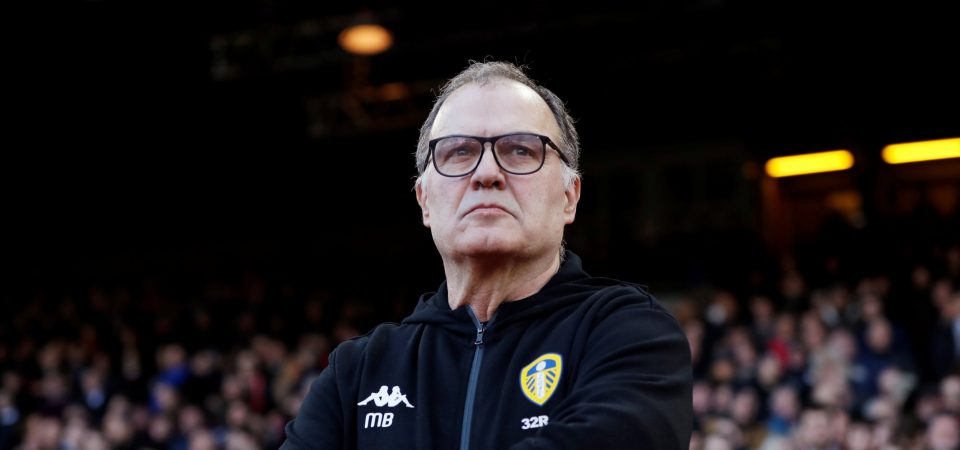

“Tactics, tactics, tactics and fitness”, were the words used by Mateusz Klich to describe the Bielsa regime in an interview with the Yorkshire Evening Post during the impressive outset to Leeds United’s 2018/19 campaign, however, how far was this tactical nous reliant upon the art of spying?
The now famed ‘Spy-gate’ saga commenced in the wake of Leeds United’s 27th league game of the 2018/19 season – a 2-0 win over Derby County. However, there would be little cause for celebration in the days which followed. Suspicions of Leeds United utilising training-ground spies in preparation for their game against Derby County preceded widespread accusations and outrage.
Media response:
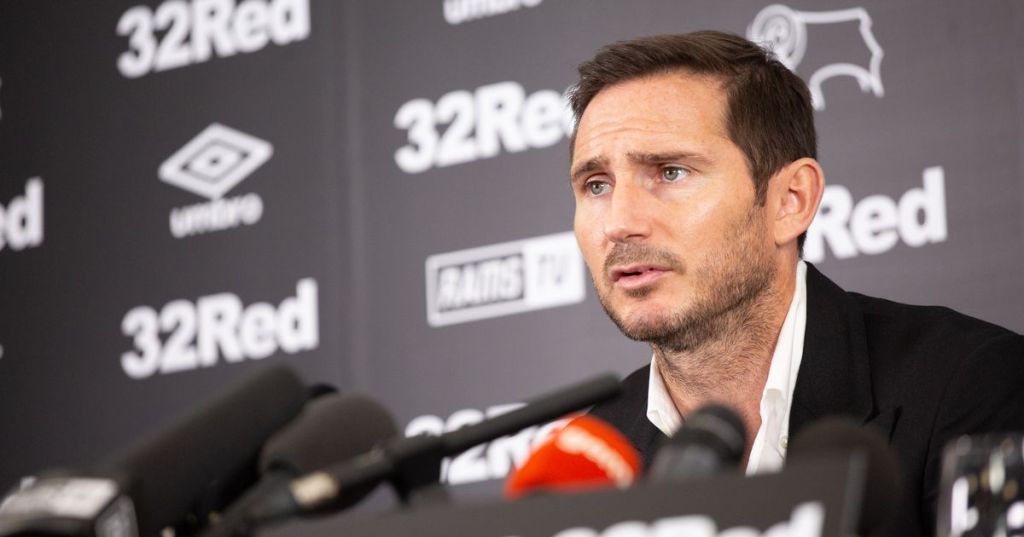
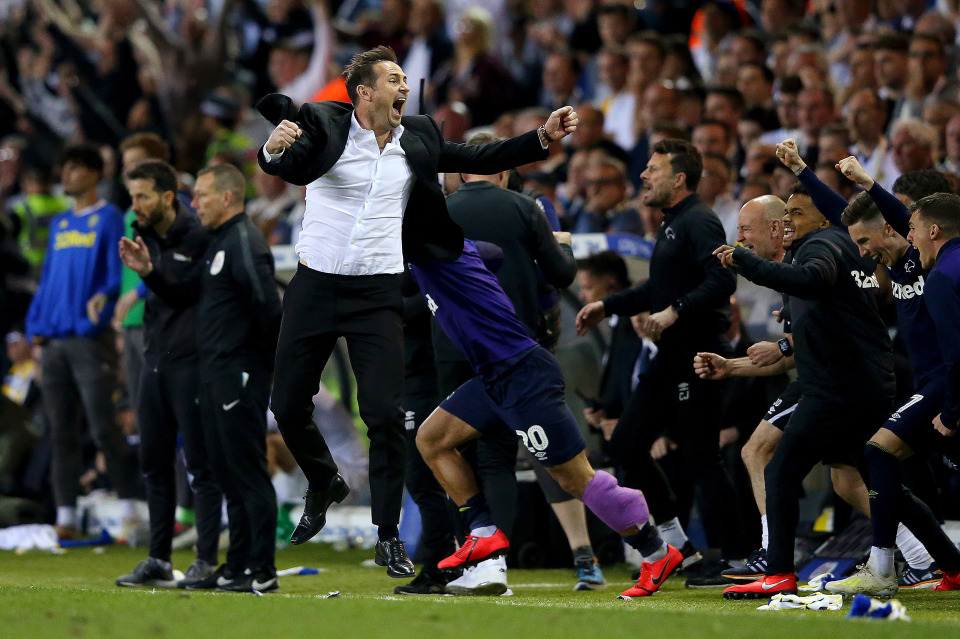
In the immediate aftermath, Frank Lampard demanded answers from both Marcelo Bielsa and the Football Association. Never one to reserve judgement, former Nottingham Forest veteran, Stuart Pearce weighed-in and called for the result to be overturned remarking, ‘let the punishment fit the crime’, during an episode of Sky Sports Football’s ‘The Debate’. Pearce, who has achieved somewhat of a cult status in English football owing to his no-prisoners approach both on and off the pitch, echoed the prevailing view of English football fans and earned a previously inconceivable degree of adulation from Derby County fans in the process.
Various media outlets foretold the end of Bielsa’s tenure as Leeds manager with Onefootball titling a compelling article ‘Marcelo Bielsa set to resign’ just five days after the victory over Derby. However, as you know, Bielsa did not resign nor run from the accusations levied against him. Rather, Bielsa chose to address them directly and, on the 17th of January, delivered a unique insight into the intricacies of the modern game.
Bielsa’s revelation:
“I’m going to make it easier for the investigation of the league”, is how Marcelo Bielsa began his revelation of the comprehensive preparation undertaken by himself and his staff of 20 ahead of every league game. Bielsa would go on to admit to covert observation of all 23 of the other 2018/19 championship clubs confessing, “we watched the training sessions…before we played against them”.
Clearly, such endeavours would not have been undertaken should Bielsa and indeed Leeds not have hoped to achieve an advantage through them. In fact, Bielsa in his frankness outlined the objectives of such espionage as attempts to identify the starting XI, the favoured tactical system and the set-piece routines of the forthcoming opponents. However, arguably Bielsa’s redeeming factor was his decision to demonstrate the extent of opposition analysis conducted by himself and his staff aside from the use of spies.
In preparation for the Derby County game, Bielsa had his staff watch, analyse and evaluate all of Derby’s 51 games in the previous season – a process which he claims took a total of 360 hours. Press reporters were inundated with the sheer volume of data harvested by the Leeds staff concerning Derby’s favoured formations, tactical systems and set-piece routines. This raised questions as to the necessity of the espionage; did it serve simply to supplement and affirm the pre-established evaluation of the opposition – and if so – was it even necessary?
“Absolutely not necessary”, was the answer made by Bielsa. However, it was only natural, essential even, that Bielsa and more significantly Leeds should attempt to distance themselves from accusations of having ascertained an unfair advantage over their opposition for half of the 2018/19 EFL Championship season.
How influential was the espionage?
A good indication as to what extent Leeds did in-fact benefit from such subversive tactics can be determined from a comparison of their form with and without the additional knowledge gained through the use of spies.
For those wishing to tarnish Bielsa’s managerial reputation and evidence spying as a major factor behind the success of Leeds United in the first half of the 2018/19 season, the case is fairly straightforward. After 27 games with espionage Leeds occupied the top of the Championship table while in their first 4 games without it, Leeds managed just 1 win and consequently lost their place at the top of the table.
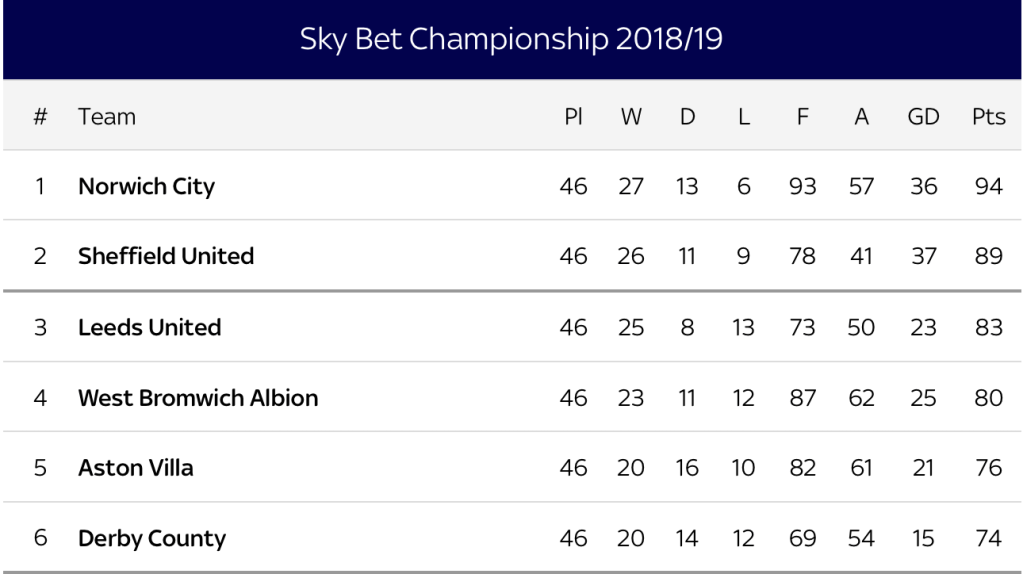
Their case is strengthened by United’s calamitous end to the season – losing 3 of their last 4 games, finishing in 3rd place overall and missing out on automatic promotion as a result. However, such a case overlooks several key factors aside from ‘Spy-gate’ which significantly contributed to the decline of Leeds United’s season.
Was ‘Spy-gate’ really behind United’s collapse?
Marcelo Bielsa’s teams habitually fade in the latter stages of their league campaigns – a consequence of the high intensity he demands from his players both during training and competitive matches.
This becomes apparent when analysing both Athletic Bilbao’s 2011/12 and Marseille’s 2014/15 seasons under Bielsa. Athletic Bilbao played a total of 64 games in all competitions, reaching the Copa Del Rey and Europa League finals in the process. However, the final 13 games of their season saw them drop from 5th to 10th in the league table, registering just three wins and losing three of their final four league games.
In Bielsa’s defence, Athletic Bilbao’s 2011/12 campaign can be seen as somewhat of an exception. Reaching 2 cup-finals and playing a total of 26 cup games in addition to 38 league fixtures – Bielsa can be reasonably excused for his team’s burnout in the latter stages of the league.
Simultaneously managing important cup-ties with a team lacking the level of squad depth which competitors Real Madrid and Barcelona were able to exploit was never going to be easy.

Contrastingly, Marseille’s 2014/15 season marked their first in 10 years without participation in a European competition. Consequently, one could expect Bielsa, armed with a talented Marseille side (including the likes of Dimitri Payet, Florian Thauvin, Michy Batshuayi and Benjamin Mendy) to mount a serious charge for the Ligue 1 title.
Such was the case in the first half of the season, with Marseille sitting comfortably at the top of the table after 19 games. However, in a downfall mirroring that of Leeds United’s 2018/19 season, Marseille would go on to win just 4 of their next 15 games, ending the season in 4th place and missing out on the 3rd place prize of Champions League qualification in the process.
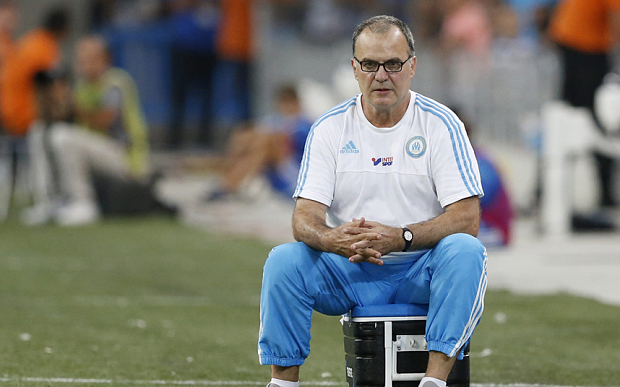
This evidential Bielsa-burnout coupled with the extensive injuries suffered by the Leeds squad proved to be the most determining factors to the demise of their season – not ‘Spy-gate’. In a similar fashion to Bielsa’s Athletic Bilbao and Marseille teams, Leeds would go on to win just a third of their final nine games, losing five. However, yet more worrying were the circumstances in which such games were lost. Most notably at home to Wigan Athletic who, playing with ten men from the 14th minute, came from behind to win the game 2-1.
Similarly, relegated Ipswich were also able to exploit the level of fatigue plaguing the Leeds squad on the final day of the season, scoring in stoppage time to win 3-2 despite also having 10-men. In this way, the demands Bielsa places on his sides both in training as well on the pitch can be seen to hasten inevitable fading in the final stages of a league campaign while also seemingly exacerbating potential for injuries.
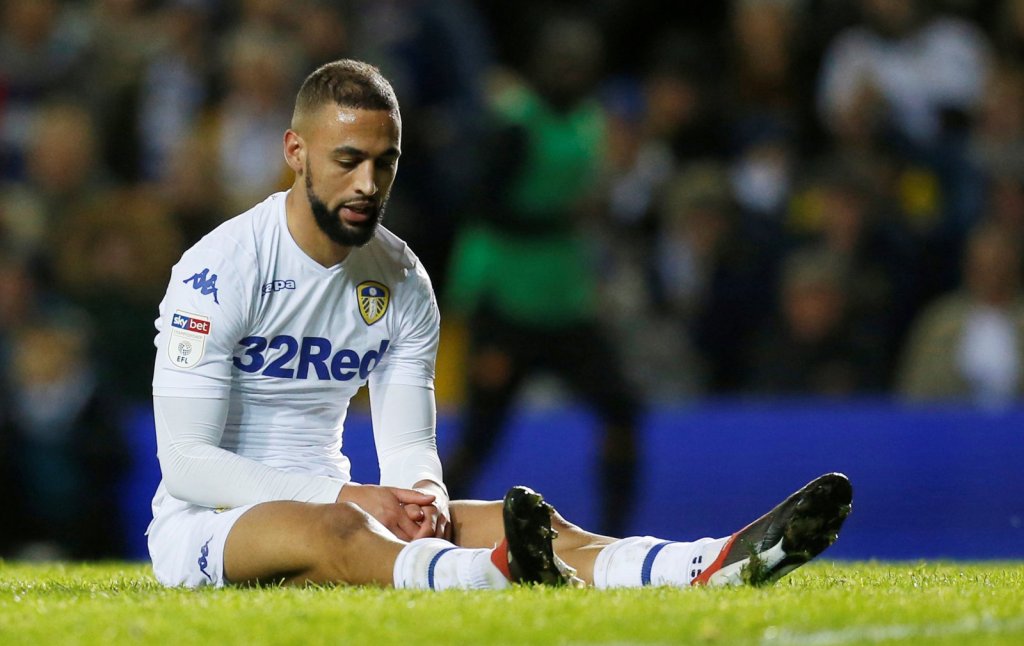
Leeds players had collectively missed 140 games due to injury by the 32nd league game – a home win against Swansea City in which Kemar Roofe would be injured, only returning to match-day fitness on the final day of the season.
Temporary loss of key personnel can be considered collateral damage under the physically taxing regime of Bielsa. However, the loss of Kemar Roofe, an integral component of Bielsa’s pressing and harrying tactics, at this closing stage of the season can also be associated with the ensuing decline in form.
Judgement:
While it is easy to associate Leeds United’s fall from 1st position to that of 3rd in the Championship table with the end of their use of espionage, it is also unwise and involves overlooking a number of other key factors.
Indeed, Bielsa himself went someway to routing the theory his unique degree of opposition analysis inevitably translates to gaining a competitive advantage in an anecdote concerning the result of the 2011/12 Copa Del Rey final. Bielsa’s Athletic Bilbao side lost the game 3-0 to Pep Guardiola’s Barcelona. Guardiola himself later verified the testimony of Bielsa which consists of Bielsa offering Pep his extensive preparatory analysis of Barcelona as a token of respect.
A look through the analysis prompted Guardiola to conclude: “You know more about Barcelona than me!”. This, Bielsa utilises to demonstrate that much of his opposition scrutiny is often made redundant by the final score-line; in this case it was “not useful at all”.
While the morality of spying will always be problematic, ‘Spy-gate’ should not be used to tarnish the reputation of a manager who has offered so much and influenced so many in the world of football. Nor should it be given too much influence when assessing the causes of Leeds United’s jaded climax to the 2018/19 season. As for the appropriate degree of punishment, Derby’s emphatic victory over Leeds in the play-off semi-final can be considered divine retribution.
 Football: Beyond the Pitch